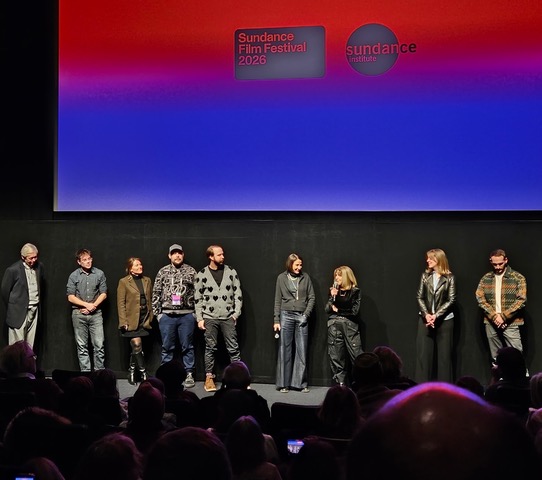
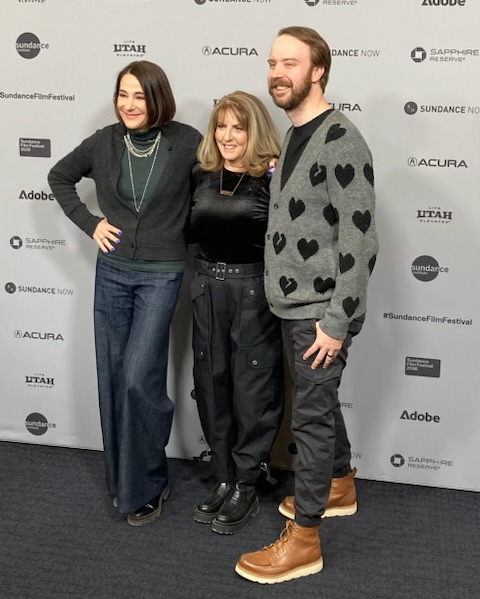
In documentary filmmaking, there are no call sheets locked weeks in advance, no controlled locations, and no guarantees about where a story will lead. Schedules are sporadic, crew sizes are minimal, and reality sets the pace. That flexibility defined the making of Seized, a documentary directed by Kansas City’s Sharon Liese. Premiering last month at the Sundance Film Festival, the film follows the aftermath of a police raid on the Marion County Record, and the shockwaves it sent through a small town suddenly thrust into the national spotlight.
Liese first heard about the raids while listening to NPR in her car. Her immediate reaction was disbelief, not only at the severity of the incident but that such an egregious challenge to the First and Fourth Amendments was unfolding just two hours from her home in Kansas City. Unlike her previous films, which began as more intimate portraits that expanded into larger social questions, this story broke directly into the public eye. It was already national and soon international news. Rather than giving her pause, that scale created urgency. She didn’t want to miss a single second of the story as it unfolded.
Close enough to move quickly, Liese drove to Marion County that weekend and began assembling a small crew. Documentary filmmaking demands speed and trust, and there is rarely time to overplan. The work starts by showing up, listening, and following events wherever they lead.
Working alongside Liese from the earliest stages was producer Paul Matyasovsky, who collaborated with her in the field and throughout post production for years. During the making of the film, Matyasovsky relocated from Los Angeles to Kansas City in order to continue working closely on the project. Picking up your life and moving across the country to pursue a story of this scale is no small commitment. A seasoned producer, he became central to the film’s evolution, helping shape the narrative structure, building relationships with key subjects, and conducting several of the project’s most important interviews. For two years, he worked on Seized, guiding it through the slow, unpredictable rhythm that defines documentary work.
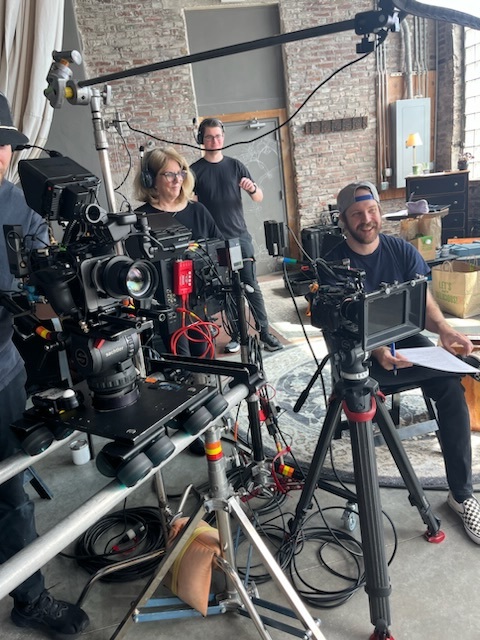
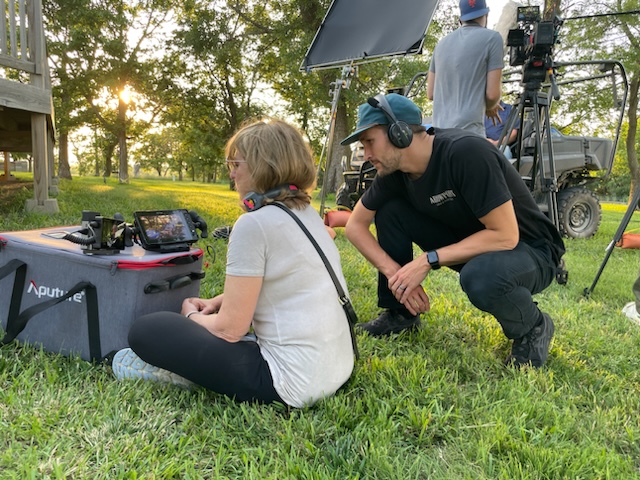
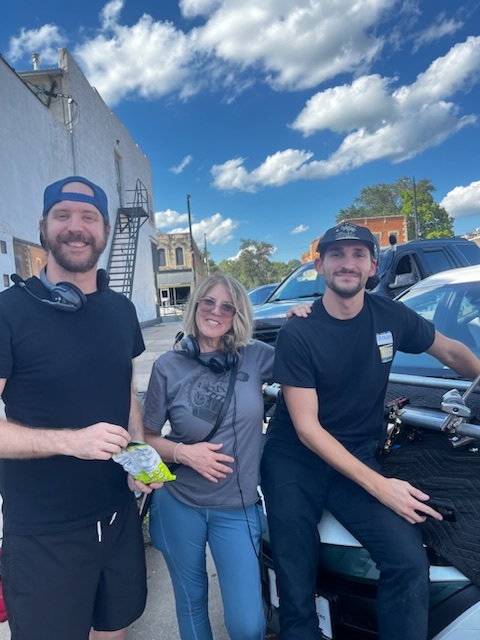
When Liese called director of photography Jackson Montemayor to join the crew, he was working a job in Miami and had not yet heard about the raid. After reading about the incident, he was struck by how relevant it felt to the country’s political climate. Montemayor had interned with Liese years earlier as a junior at UMKC, where she encouraged his interest in cinematography by putting a camera in his hands early. Through that internship and the Kansas City freelance community, he built relationships that allowed him to step into professional work quickly after graduating.
Montemayor’s path is part of a much larger legacy. Over the course of her career, Liese has mentored more than 200 interns, many of whom have gone on to build impressive careers in film and television. For her, creating opportunities for emerging filmmakers has always been as important as the work itself. Jackson’s journey from intern to director of photography is one example of how that mentorship continues to ripple through the Kansas City film community. He previously shot Liese’s film Parker, and their shared history made collaboration on this documentary intuitive, especially given the sensitivity of the subject matter.
The team started by getting boots on the ground in Marion County, talking to residents and listening closely to understand the many perspectives surrounding the raid. Some were eager to share their experiences, particularly the staff of the newspaper, who wanted the world to know what had happened. Others were more guarded, and certain relationships took more than a year to develop. Once the crew filmed with the mayor, skepticism eased and it became clearer that the film was committed to showing all sides of the story and allowing audiences to draw their own conclusions.
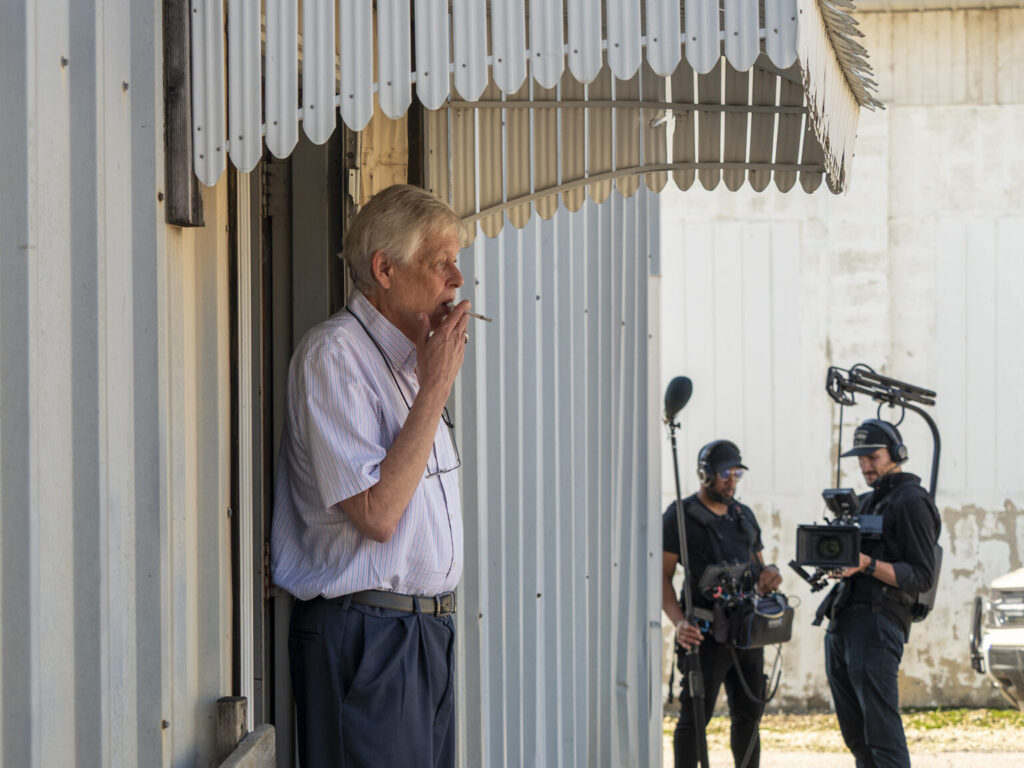
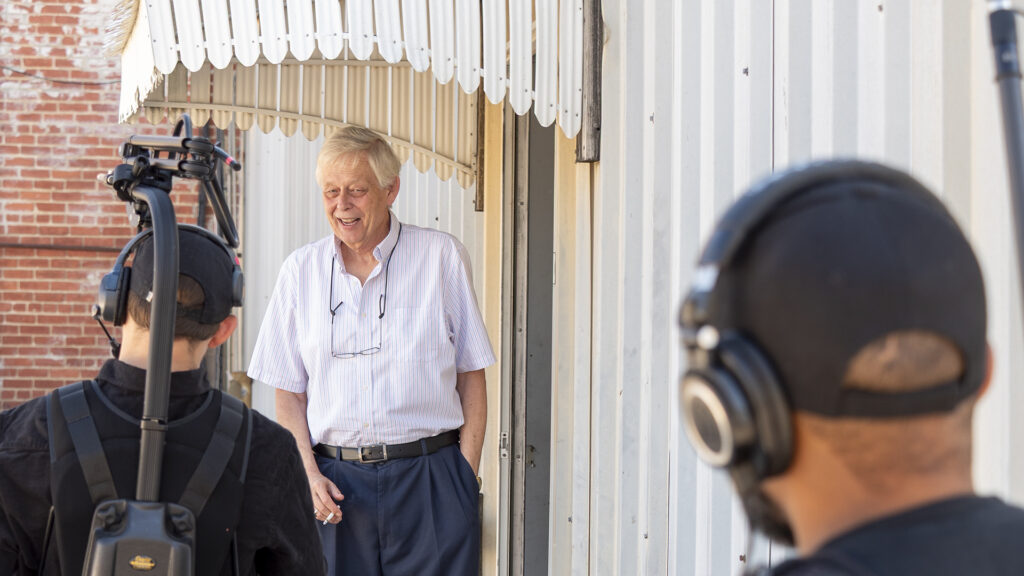
A pivotal development came nearly a year after the raid, when a young reporter from New York City, arrived to work at the Marion County Record. Liese learned about his arrival the day before he started, giving her just enough time to assemble a crew. As a city kid navigating a small Midwestern town, he became a guide for the audience, learning the story at the same pace they were. Experiencing Marion through his eyes added texture to the film and offered viewers a way into the story that felt organic rather than imposed. For the filmmakers, it was a reminder that one of documentary’s greatest strengths is the ability to adapt when new narrative possibilities emerge.
The production stretched across several years, reflecting the reality that documentary stories rarely unfold on a tidy timeline. Montemayor describes patience as key to the process. “The luxury of narrative is you have a script; you can control how you capture a story. Whereas with documentaries, we are working with real people’s lives. New things come to light, but it could take months. Sometimes it can take years.”
According to Liese, trust is built and rebuilt over time. She emphasizes the importance of being open and generous with subjects, communicating clearly that their stories are being handled with care, and recognizing that earning trust happens every time you show up with a camera. Interviews were often filmed with small crews to preserve comfort and privacy, especially when participants spoke about traumatic experiences. The work required not only technical precision but emotional sensitivity.
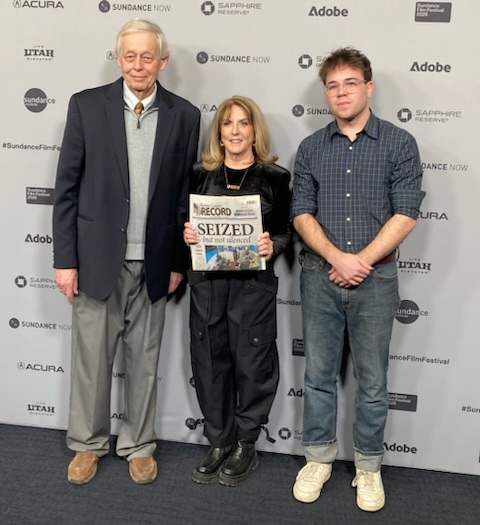
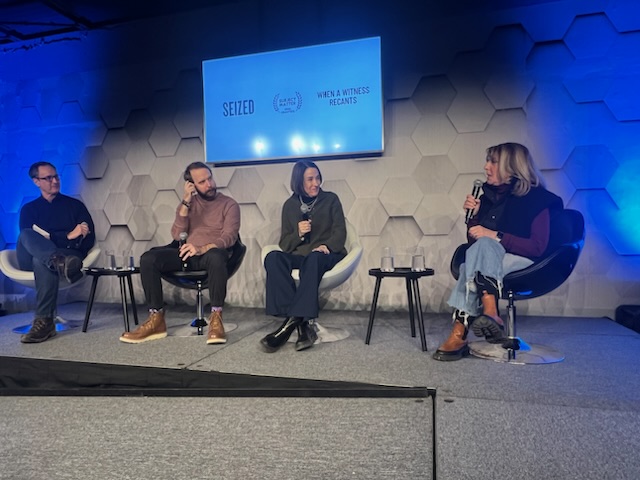
Seized arrives at a moment when debates around press freedom feel especially urgent. By documenting events as they unfolded, the film captures a community wrestling with issues that resonate far beyond one Kansas town. It documents one incident while tapping into the larger tensions people are talking about nationwide.
What may surprise some viewers is that a film of this scope and urgency was built largely by a team working out of Kansas City. Important documentary work is often assumed to originate from coastal industry centers, yet projects like Seized, and much of the work produced by Liese’s Herizon Productions, demonstrate the depth and range of talent embedded in this community. From producers and cinematographers to editors, colorists, and field crew, Kansas City creatives are contributing to stories that engage directly with national conversations. High caliber nonfiction storytelling is not confined to a handful of cities. It is happening here.
The film’s Sundance premiere marked an important milestone for everyone involved. Now that the festival has concluded, audiences closer to home will have the chance to experience it themselves. Seized has been selected as the Show Me Film at the True/False Film Festival in Columbia, Missouri, March 5 through 8, bringing the documentary back to the Midwest where it was created. For the many Kansas City filmmakers who contributed to the project, the True/False screening offers a chance for local audiences to see a film born from their own backyard and shaped by years of careful, patient work.
At its core, Seized reflects a shared belief that documentary filmmaking is about showing up, staying with a story, and giving it the time it needs to unfold. That dedication is felt in every frame, and congratulations to the entire crew for the film’s success and the years of work that made it possible.